Diet and Nutrition in Wild Birds: A Scientific Perspective
Diet and Nutrition in Wild Birds: A Scientific Perspective
Understanding the diet and nutrition of wild birds is crucial for appreciating their ecology, behavior, and conservation needs. Birds have evolved diverse dietary strategies to meet their nutritional requirements, which vary widely among species based on their habitats, physiology, and ecological niches. This article delves into the scientific aspects of bird diets, highlighting key nutritional needs, feeding behaviors, and the impact of diet on health and survival.
Macronutrient and Micronutrient Needs
Birds require a balanced diet consisting of macronutrients—proteins, fats, and carbohydrates—and micronutrients, including vitamins and minerals. The specific needs vary among species and life stages, such as growth, reproduction, and migration.
- Proteins: Essential for growth and tissue repair, proteins are vital during the breeding season when birds are rearing young. Insectivorous birds, like warblers and flycatchers, consume large quantities of insects, which are rich in protein. For example, the dietary protein requirement for young passerines can be as high as 25-30% of their diet.
- Fats: Provide a concentrated energy source, crucial for migration and sustained activity. Birds such as swallows and ducks accumulate fat reserves before long migratory journeys. Studies show that some species can increase their body weight by up to 50% in fat before migration. Fatty acids also play roles in cellular function and health.
- Carbohydrates: Supply quick energy. Birds feeding on nectar, fruits, and seeds, such as hummingbirds and finches, derive a significant portion of their energy from carbohydrates. Nectar-feeding birds can consume up to twice their body weight in nectar daily.
- Vitamins and Minerals: Essential for metabolic functions, bone health, and feather formation. Calcium is critical for eggshell formation in breeding females, while vitamin A is important for vision and immune function. Trace elements like zinc and iron are involved in various enzymatic processes.
-
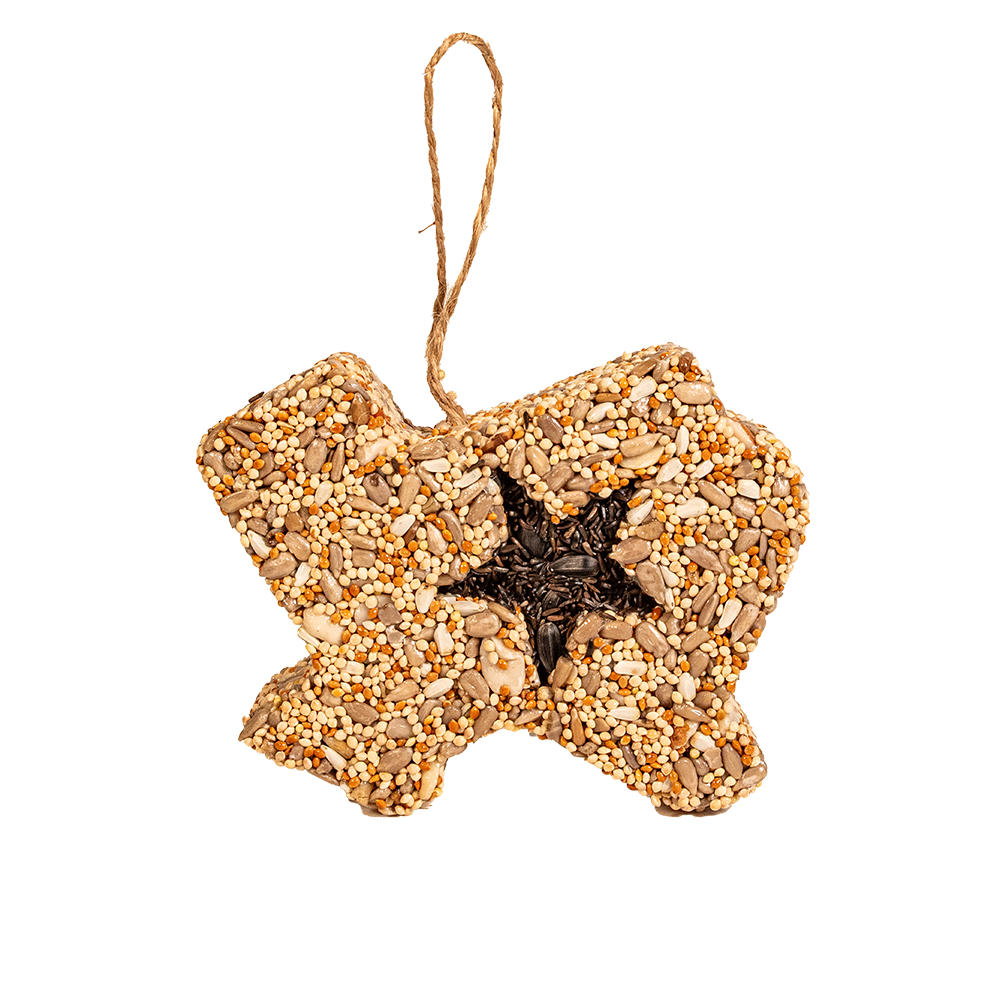
Our No-Mess Blend DP Bird Seed by Wild Birds Unlimited is expertly crafted to cater to the nutritional needs of a wide variety of wild birds. This premium blend offers a balanced diet comprising essential macronutrients—proteins, fats, and carbohydrates—as well as vital micronutrients including vitamins and minerals, ensuring the health and vitality of your avian visitors.
Feeding Strategies and Dietary Preferences
Birds have evolved diverse feeding strategies to exploit different food sources, which influence their dietary intake and nutrition.
- Insectivory: Insect-eating birds, such as swifts and woodpeckers, are adept at catching and consuming a variety of insects. Their diets are high in protein and fats, necessary for growth and high-energy activities.
- Nectarivory: Hummingbirds and sunbirds feed on nectar, which provides high-energy sugars. They have specialized tongues and metabolic adaptations to process large volumes of liquid sugar efficiently.
- Frugivory: Fruit-eating birds, like toucans and orioles, consume fruits that are rich in carbohydrates, vitamins, and antioxidants. They play crucial roles in seed dispersal, aiding in forest regeneration.
- Granivory: Seed-eating birds, such as sparrows and pigeons, have strong beaks adapted for cracking seeds. Seeds provide a balanced diet of carbohydrates, fats, and proteins. These birds often store seeds for future consumption, showcasing their role in seed dispersal and plant propagation.
- Carnivory: Predatory birds, like hawks and owls, feed on other animals, including mammals, birds, and reptiles. Their diets are high in protein and fats, supporting their energy-intensive hunting lifestyles.
Impact of Diet on Health and Behavior
A bird's diet significantly influences its health, reproductive success, and behavior. Nutritional deficiencies or imbalances can lead to health issues, reduced reproductive success, and even mortality.
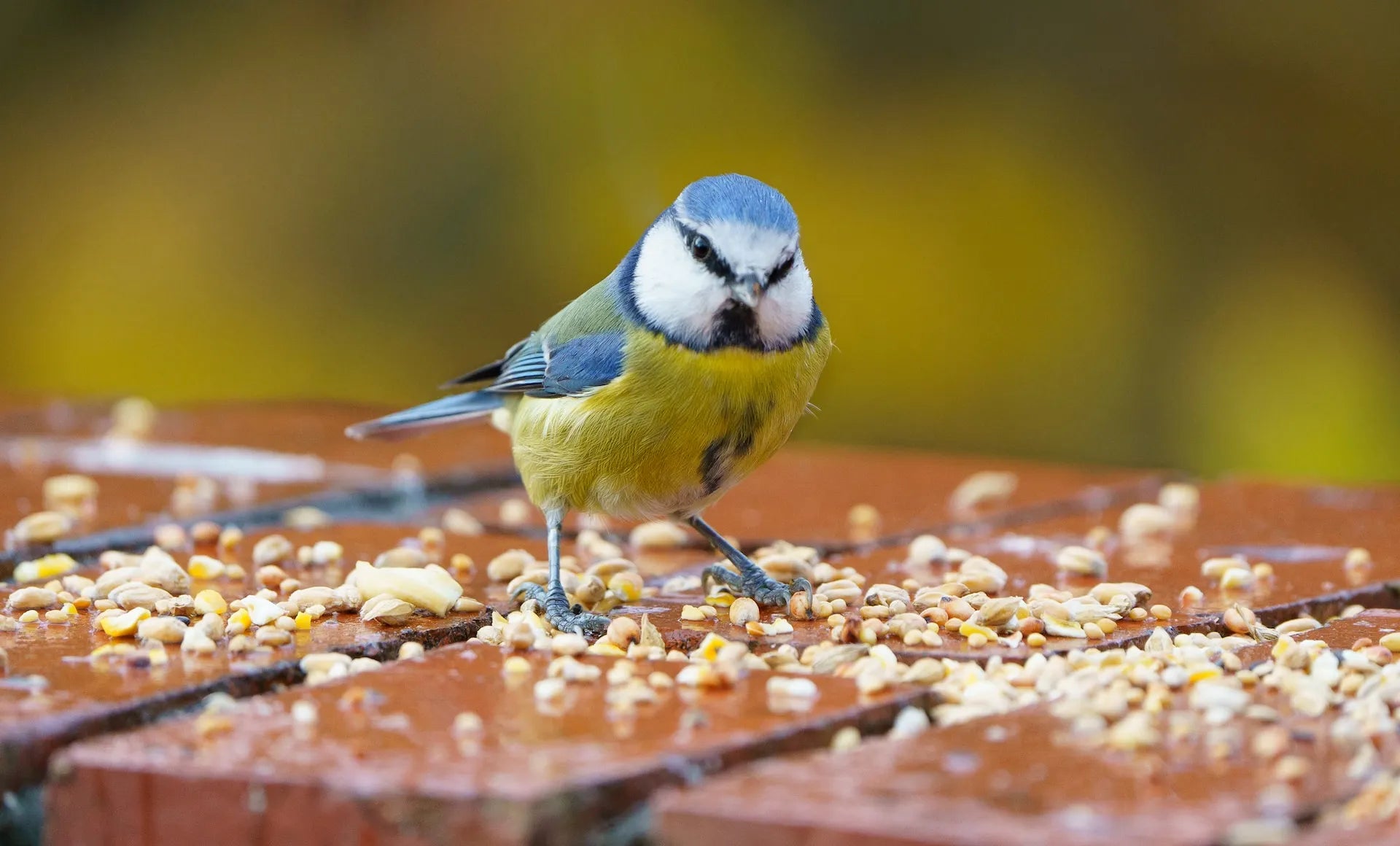
- Breeding Success: Adequate nutrition is crucial during the breeding season. For instance, calcium deficiency in female birds can lead to weak eggshells, resulting in low hatching success. Studies on the Great Tit (Parus major) have shown that food supplementation during breeding can increase chick survival rates.
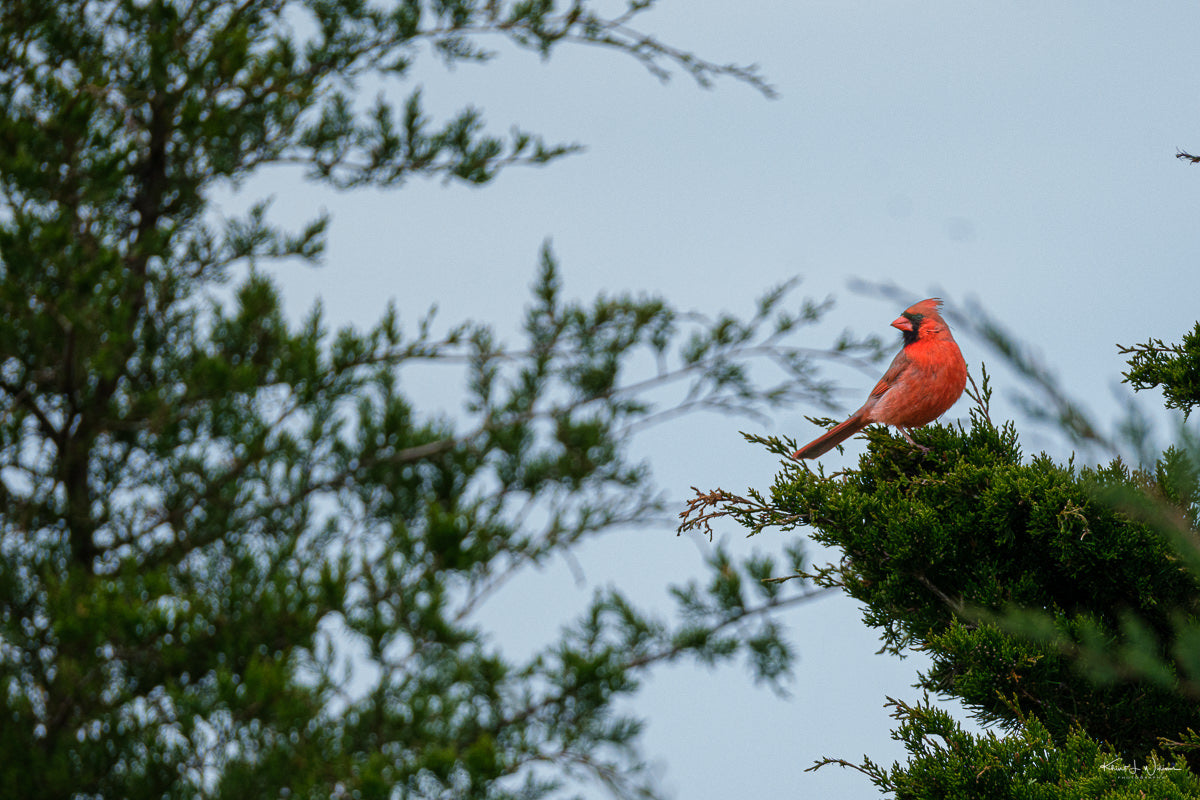
- Feather Quality: Nutrition directly affects feather quality, which is vital for flight, insulation, and display. Malnutrition can lead to poor feather development, affecting a bird's ability to fly and thermoregulate. Carotenoids, obtained from the diet, are important for vibrant feather coloration in species like the Northern Cardinal (Cardinalis cardinalis).
- Immune Function: A well-balanced diet boosts immune function, helping birds fight off diseases and parasites. Vitamin A and E, along with selenium, play critical roles in maintaining a robust immune system.
- Behavioral Adaptations: Dietary needs drive various behaviors, such as migration and foraging strategies. Hummingbirds, for example, exhibit territorial behaviors around rich nectar sources to ensure sufficient energy intake.
The Role of Supplemental Feeding
Human-provided food sources, such as bird feeders, can significantly impact the diet and health of wild birds. While supplemental feeding can aid in survival, particularly during harsh conditions, it can also lead to dependency and alter natural foraging behaviors.
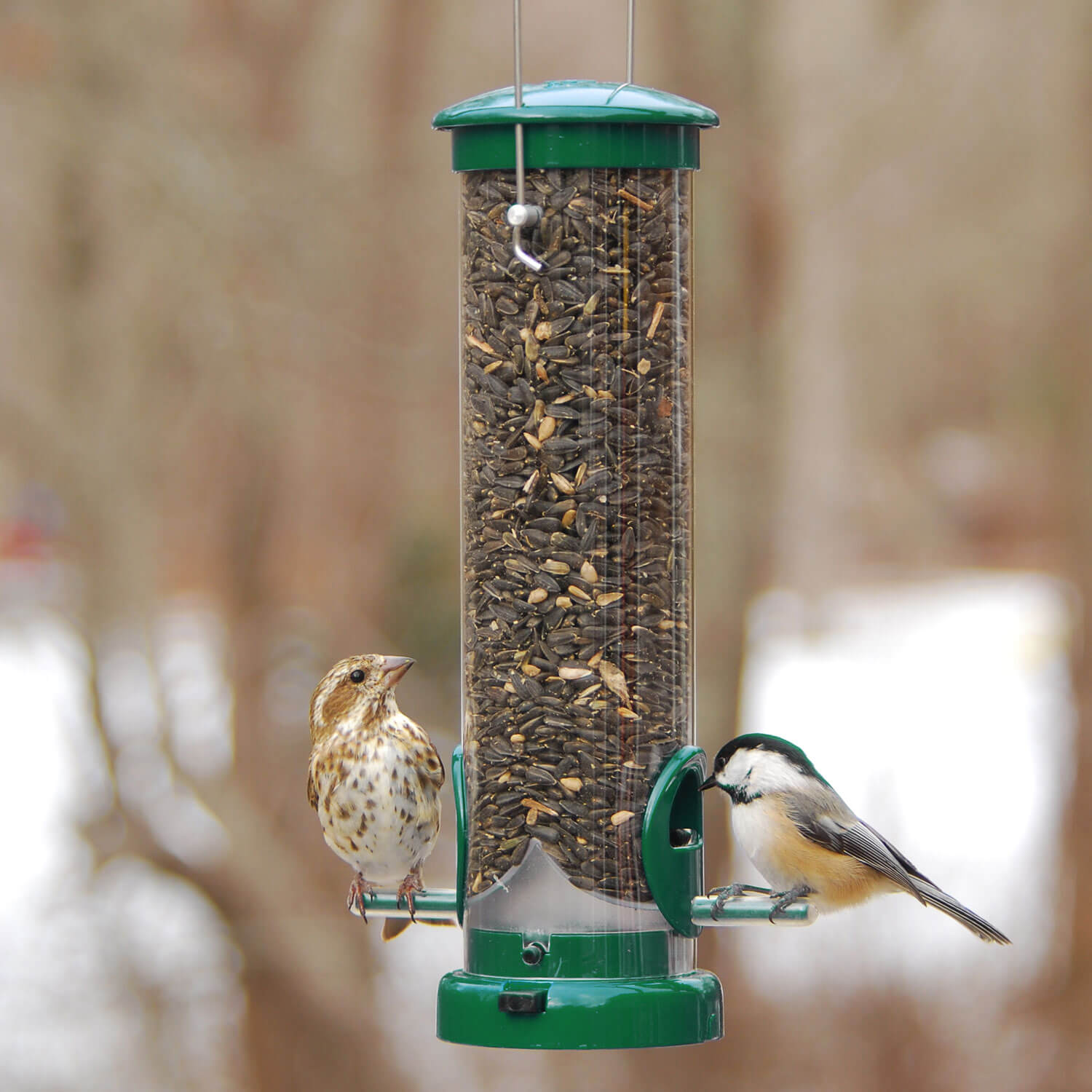
Studies have shown mixed effects of supplemental feeding. For example, feeding stations can help maintain body condition during winter for species like the Black-capped Chickadee (Poecile atricapillus), but they can also increase the risk of disease transmission and predation.
Conclusion
The diet and nutrition of wild birds are complex and varied, reflecting their ecological adaptations and evolutionary history. A balanced diet of macronutrients and micronutrients is essential for their health, reproduction, and survival. Understanding these dietary needs and feeding behaviors is crucial for conservation efforts, particularly in the face of environmental changes and habitat loss. By ensuring that wild birds have access to diverse and nutritious food sources, we can help maintain their populations and the ecological roles they play.
References
- Journal of Avian Biology: "Nutritional Requirements of Growing Passerines"
- Annual Review of Ecology, Evolution, and Systematics: "Energy Management in Migratory Birds"
- Oecologia: "Phenological Mismatch in Birds and Caterpillar Abundance"
- Conservation Biology: "Impact of Supplemental Feeding on Bird Health and Behavior"
- Ecology Letters: "Seed Dispersal by Frugivorous Birds"