October Bird Report for Arizona
October in Arizona is the great handoff. The summer crowd of hummingbirds, orioles and tanagers headed south, and a wave of sparrows, finches and woodpeckers rolled in to take their seats at your feeders. Meanwhile, up on Mt. Lemmon, somebody counted 30 Clark's Nutcrackers in one go. Here's the whole story, straight from the eBird reports birders filed across Arizona in October 2026.
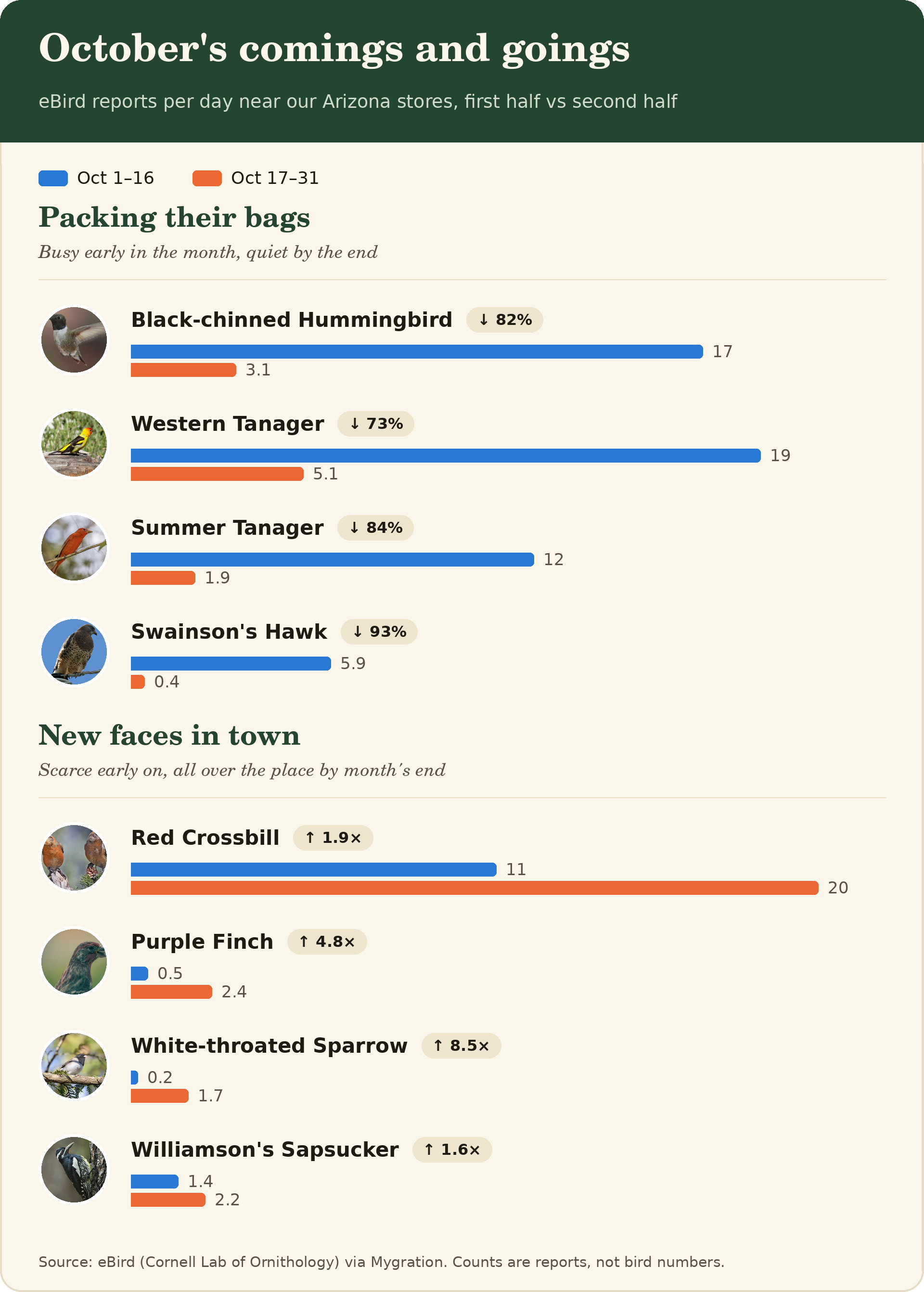
Blue is the first half of the month, orange the second. Orange shrinking? That bird is heading out. Orange growing? It's moving in.
Packing their bags
The summer regulars spent October quietly slipping out the back door.
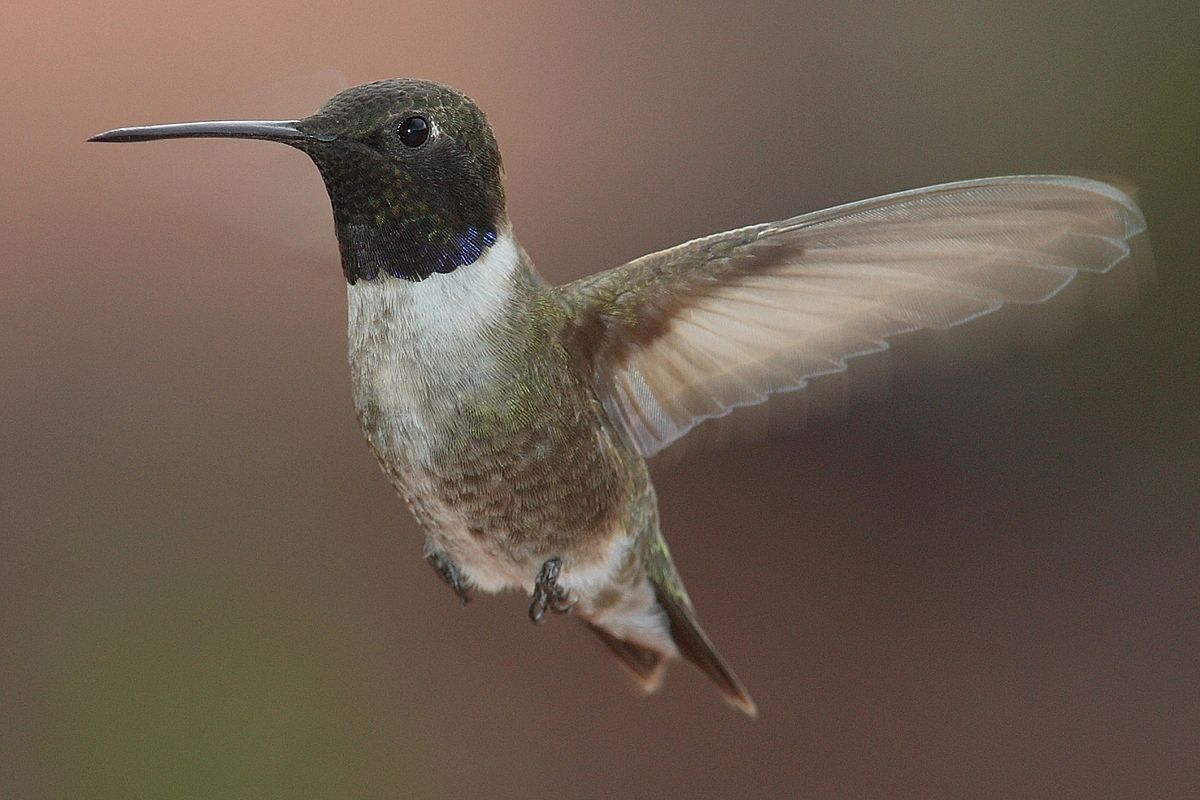
Black-chinned Hummingbird. Photo: Wikimedia Commons
- Black-chinned Hummingbirds went from about 17 reports a day in the first half of the month to about 3 in the second. The last one was seen on October 29.
- Broad-tailed Hummingbirds and Rufous Hummingbirds followed them out, with daily sightings falling off by the end of the month.
- Swainson's Hawks nearly disappeared, from about 6 reports a day to fewer than one. The last ones came in around October 23.
- Bullock's Orioles made an early exit, tapering off by October 21.
- Western Tanagers and Summer Tanagers, the red-and-yellow showoffs of summer, got scarce in the back half of October. Western Tanagers dropped from about 19 reports a day to about 5.
New faces in town
For every bird that left, it seems another one showed up. If your feeders got busier in late October, here's who to thank.
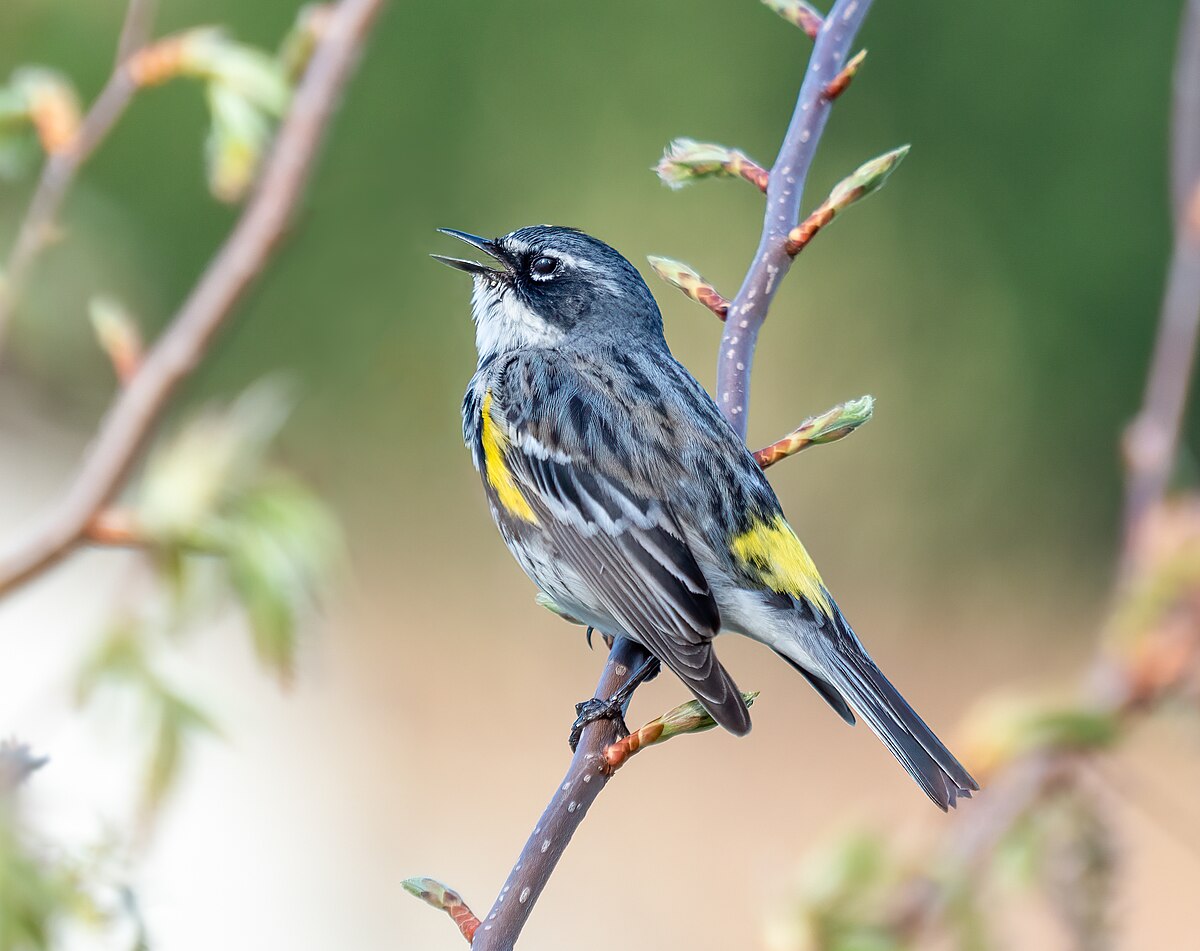
Yellow-rumped Warbler. Photo: Wikimedia Commons
- Yellow-rumped Warblers poured in during the second half of the month. Watch for the little flash of yellow on the rump as they flit off.
- The winter sparrows have landed: White-crowned Sparrows, Dark-eyed Juncos, Song Sparrows and Lincoln's Sparrows all held steady or climbed.
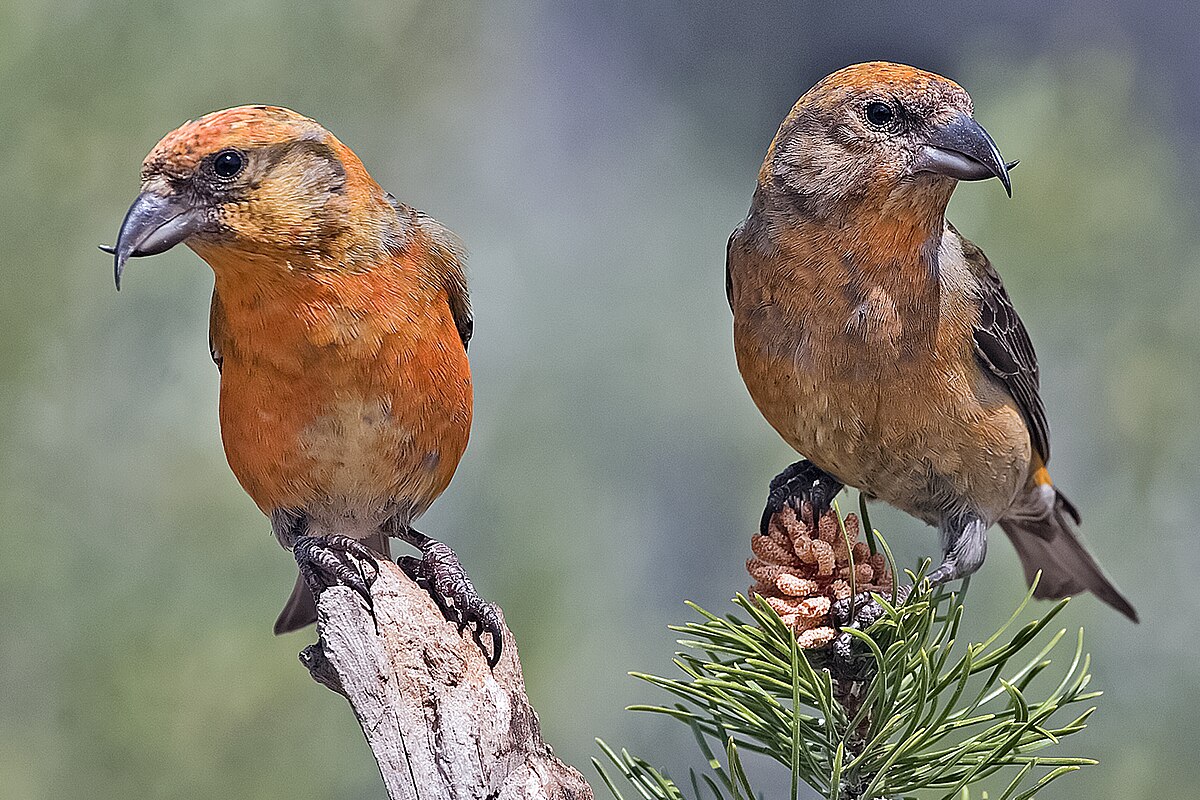
- Red Crossbills, the birds with crisscrossed beaks built for prying open pine cones, nearly doubled their daily reports toward the end of the month, from about 11 a day to 20.
- Purple Finches were first reported on October 6, and by the end of the month they were showing up in almost five times as many daily reports.
- White-throated Sparrows started appearing around October 11 and kept on coming.
- Woodpecker fans, rejoice: Williamson's Sapsucker and Downy Woodpecker reports climbed, with Downies first reported early in the month.
- Costa's Hummingbirds are staying put, with a slight uptick late in the month. Your nectar feeder still has a job.
- Even the zebra-striped Black-and-white Warbler got more common in the back half of October.
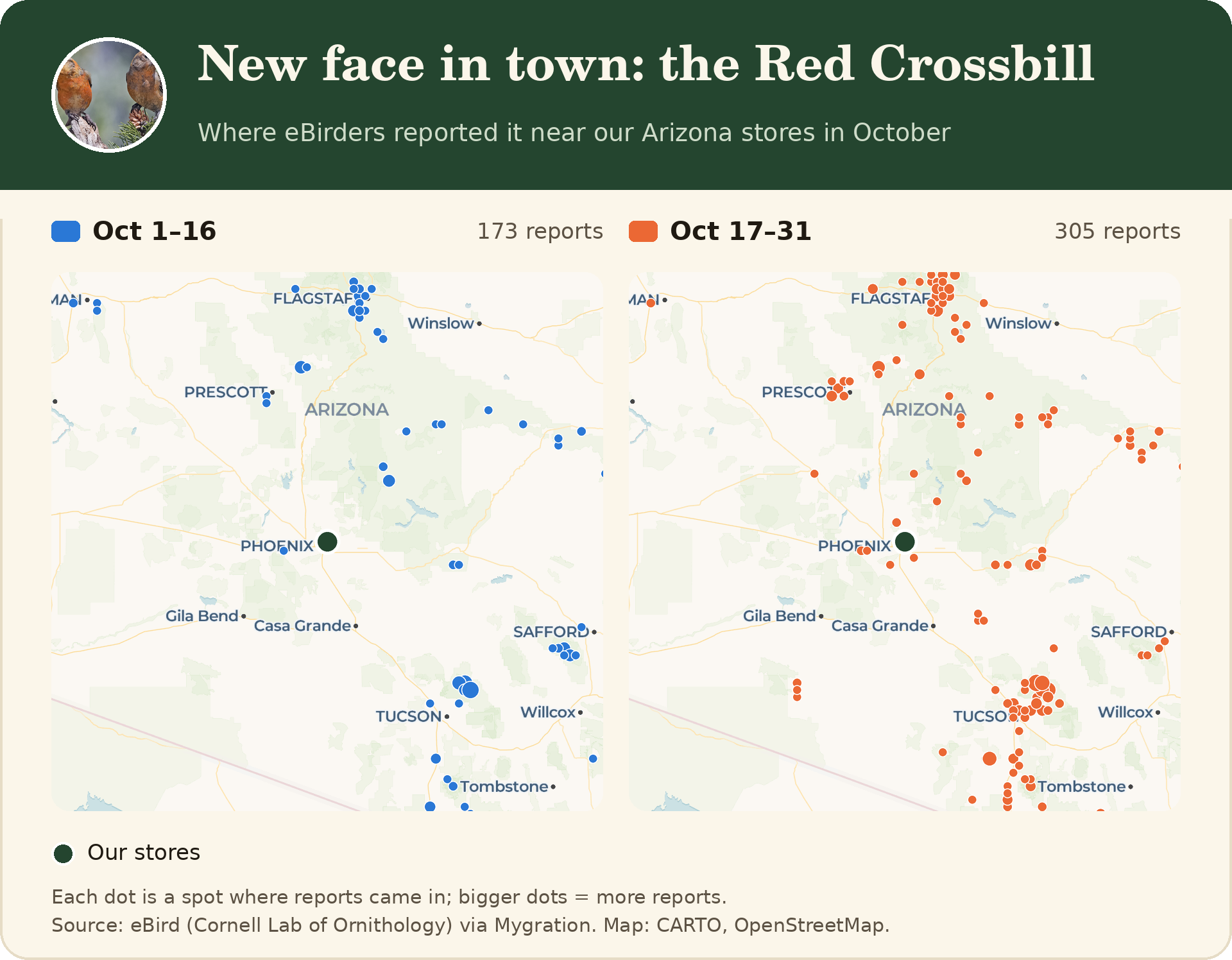
Where the Red Crossbill turned up near our stores. Blue: Oct 1–16. Orange: Oct 17–31.
Sparrow season is here
The best trend of the month happened on the ground. White-crowned Sparrows, Dark-eyed Juncos, Song Sparrows and Lincoln's Sparrows all held strong or climbed through October, a sure sign that Arizona's winter sparrow season has started. These are ground feeders, so the action is under your feeders, not on them: scratching, hopping and kicking through fallen seed. Scatter a little millet on the ground or on a platform feeder, then pull up a chair.
Rare birds of the month
Some birds read the map upside down. eBird flags a sighting as "notable" when the species is unusual for that place and season, and these October finds were all confirmed by eBird's reviewers:
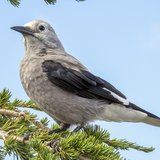 Clark's Nutcracker: a whopping 30 at Mt. Lemmon--Mt Bigelow Rd, plus more at Gila Springs Park and Mt. Lemmon--Incinerator Ridge, from October 19 to the end of the month. These mountain birds bury thousands of pine seeds every fall and remember where most of them are.
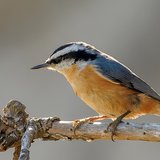 Red-breasted Nuthatch at Boyce Thompson Arboretum, Ajo-Bud Walker Park and Himmel Park, October 19–31. Tiny, noisy, and happiest climbing headfirst down a tree trunk.
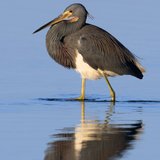 Tricolored Heron: a single bird at Amado WTP, October 20–31. A coastal heron, a very long way from the coast.
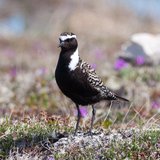 American Golden-Plover: one at the Riparian Preserve at Gilbert Water Ranch, October 27–31. This long-distance traveler nests on the Arctic tundra.
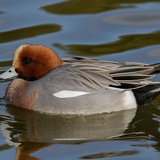 Eurasian Wigeon: one at the Higley and Ocotillo Rds. ponds, October 27–31. Yes, Eurasian, as in the other side of the world.
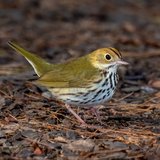 Ovenbird: a very late one at Tres Rios Overbank Wetlands, October 26–29.
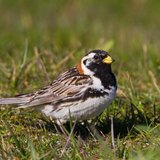 Lapland Longspur at Glendale Recharge Ponds and Avra Valley WTP, October 18–31.
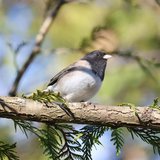 White-throated Sparrow at Ajo Plaza, Hassayampa River Preserve and East Whitetail Canyon, October 20–31, on top of the ones arriving across the state.
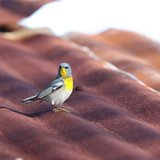 Black-and-white Warbler at Hassayampa River Preserve, the Higley and Ocotillo Rds. ponds, and Boyce Thompson Arboretum, October 19–31.
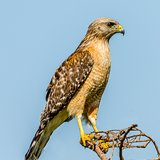 Red-shouldered Hawk at Hassayampa River Preserve and the Hassayampa River--Kerkes Trailhead, October 20–31.
Bird photos: Wikimedia Commons and Pexels (Chris Liu, Janice Carriger and others).
Raptor roundup
Hawk watchers had plenty to look at in October, even as migration thinned things out. Red-tailed Hawks, Cooper's Hawks and American Kestrels were all over the reports, though their daily sightings dipped in the second half of the month. Sharp-shinned Hawks, Peregrine Falcons, Merlins and Prairie Falcons tapered off too, and Northern Harriers and Ospreys got harder to find by the end of the month. The good news: Bald Eagles and Ferruginous Hawks held steady, so keep scanning the sky as it cools off.
What to watch for in November
- More Yellow-rumped Warblers, plus the sparrow squad: White-crowned Sparrows, Dark-eyed Juncos, Song Sparrows and Lincoln's Sparrows.
- Red Crossbills and Purple Finches settling in for the season.
- Costa's Hummingbirds sticking around, so keep that nectar fresh.
- Williamson's Sapsuckers and Downy Woodpeckers getting easier to find.
- White-throated Sparrows and Black-and-white Warblers hanging around.
- Golden Eagles and Ferruginous Hawks settling into their winter territories.
Get your yard ready
Your yard is about to get a lot busier. For the incoming sparrows and finches, fill a hopper or platform feeder with a good blend heavy on millet and black-oil sunflower, and toss a little on the ground for the juncos. Woodpeckers are on the upswing, so this is the month to hang suet. Keep a nectar feeder fresh for the Costa's Hummingbirds that are sticking around. And don't forget water: a clean bird bath is a magnet in a dry Arizona winter, and it brings in birds that never touch seed. Stop by Wild Birds Unlimited in Scottsdale and we'll help you get set up for the new crowd.
About this report: the numbers come from sightings birders submitted to eBird, the Cornell Lab of Ornithology's citizen-science project, collected by our Mygration bird-migration map. Counts are numbers of reports, not bird populations, so treat them as a way to compare species and weeks rather than a census. "Notable" sightings are the ones eBird flags as unusual for the place and season. We've only listed sightings that eBird's reviewers confirmed and that were made at public locations.