Surviving the Chill: How Do Birds Brave the Winter Cold?
Introduction:
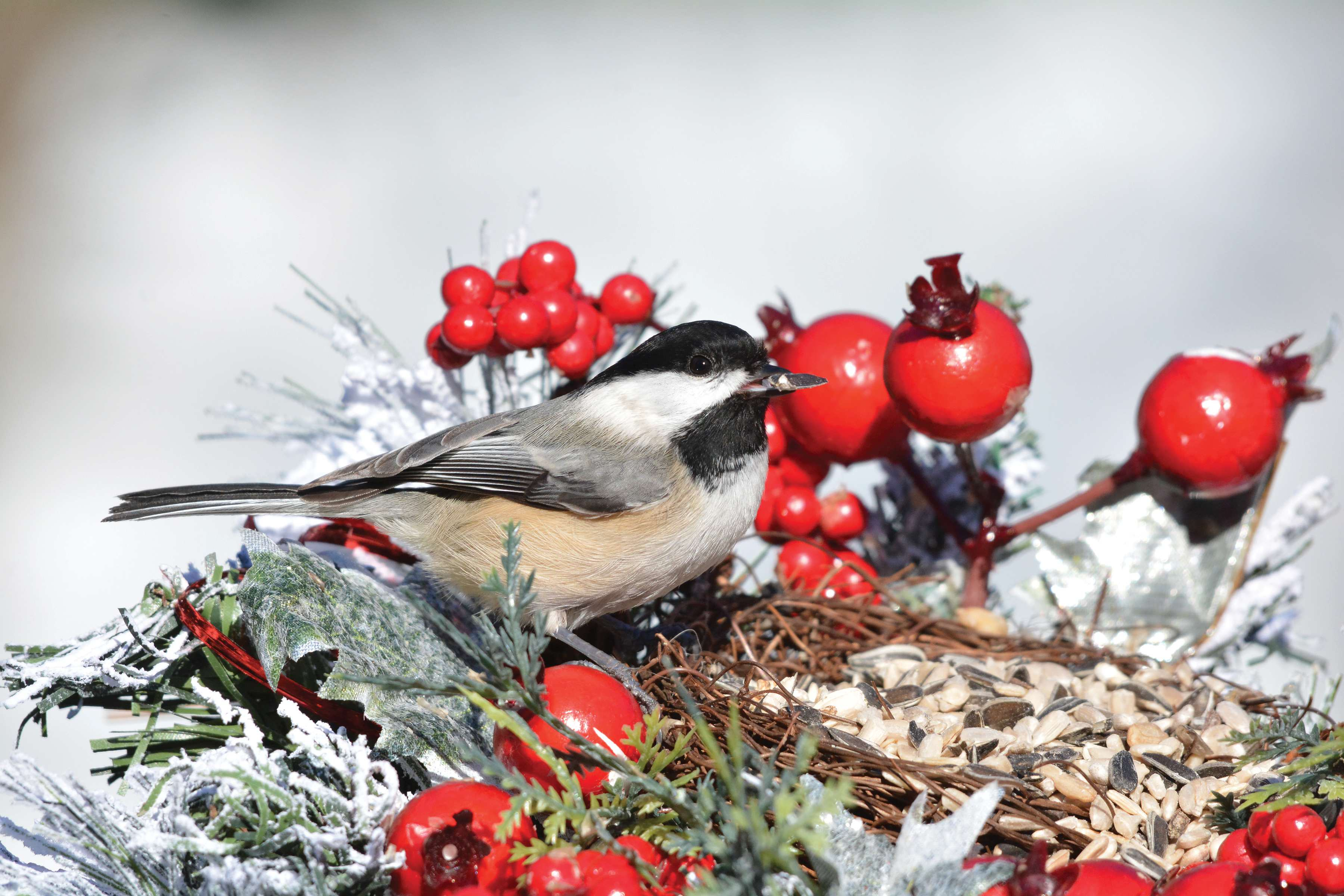
As winter blankets the landscape in a shimmering layer of frost, many of us retreat indoors to the warmth of our homes. However, for our feathered friends, the challenges of winter survival are a remarkable testament to their resilience and adaptability. In this article, we'll delve into the fascinating strategies employed by birds to endure the harsh conditions of winter.
- Migration: A Seasonal Odyssey
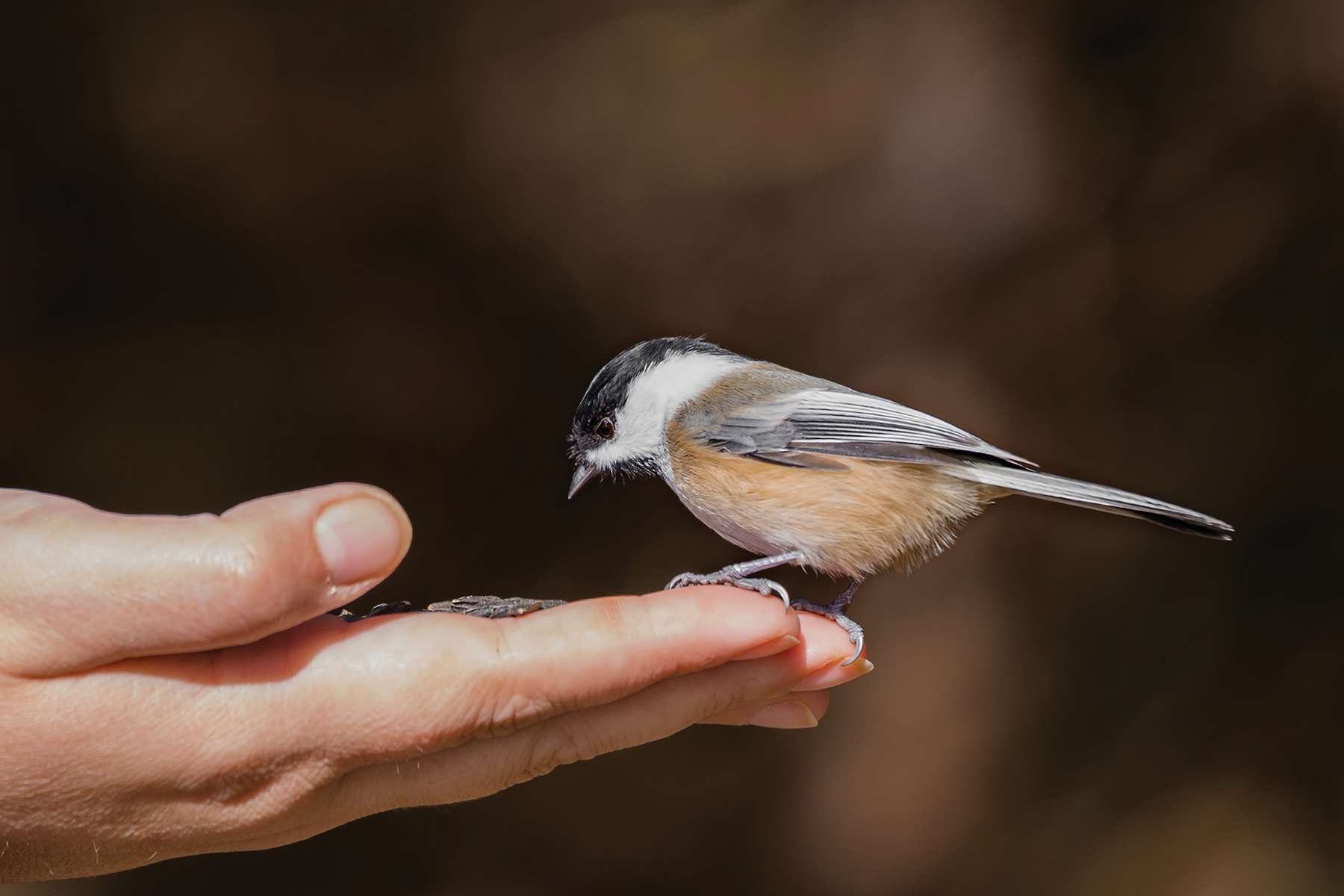
One of the most well-known strategies for winter survival is migration. Many bird species embark on long journeys to warmer climates where food is more abundant. This instinctual and awe-inspiring phenomenon helps them escape the biting cold and scarcity of resources that winter brings.
Fascinating Facts About Bird Migration:
Hummingbird Marvels: While some bird migrations cover vast distances, none are more remarkable than those of the Ruby-throated Hummingbird. Despite their tiny size, these energetic birds migrate up to 3,000 miles from their breeding grounds in North America to Central America. The journey includes a non-stop 18-hour flight across the Gulf of Mexico.
Epic Migrations: Arctic Terns claim the title for the longest migratory journey. These resilient birds travel from their Arctic breeding grounds to Antarctica and back, covering an astonishing 44,000 miles annually. This journey allows them to experience two summers each year.
Impressive Flycatchers: The Eastern Kingbird, a North American flycatcher, embarks on an impressive journey to its wintering grounds in South America. Covering a distance of around 15,000 miles, these birds navigate through challenging landscapes, showcasing the determination and endurance required for such long-distance migrations.
- Cold-Weather Adaptations: Feathers, Fat, and Feet
Birds employ a variety of physical adaptations to combat the winter chill. Their feathers, not just for flight but also for insulation, provide an effective barrier against the cold. Birds also increase their body fat during fall, serving as an additional layer of insulation and a vital energy source during lean winter months. Additionally, specialized blood circulation in their legs helps conserve heat and prevent frostbite.
- Finding Food in a Winter Wonderland
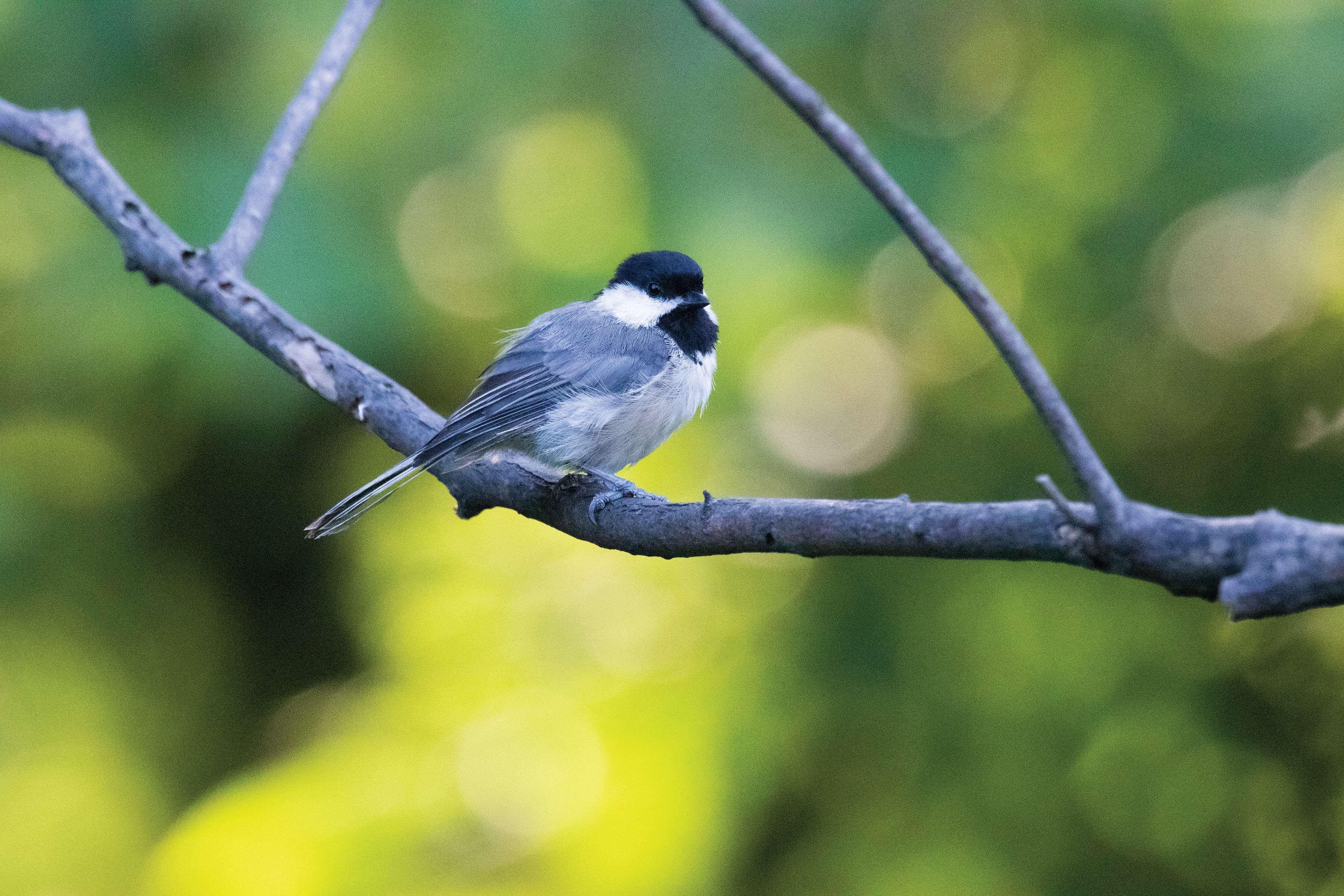
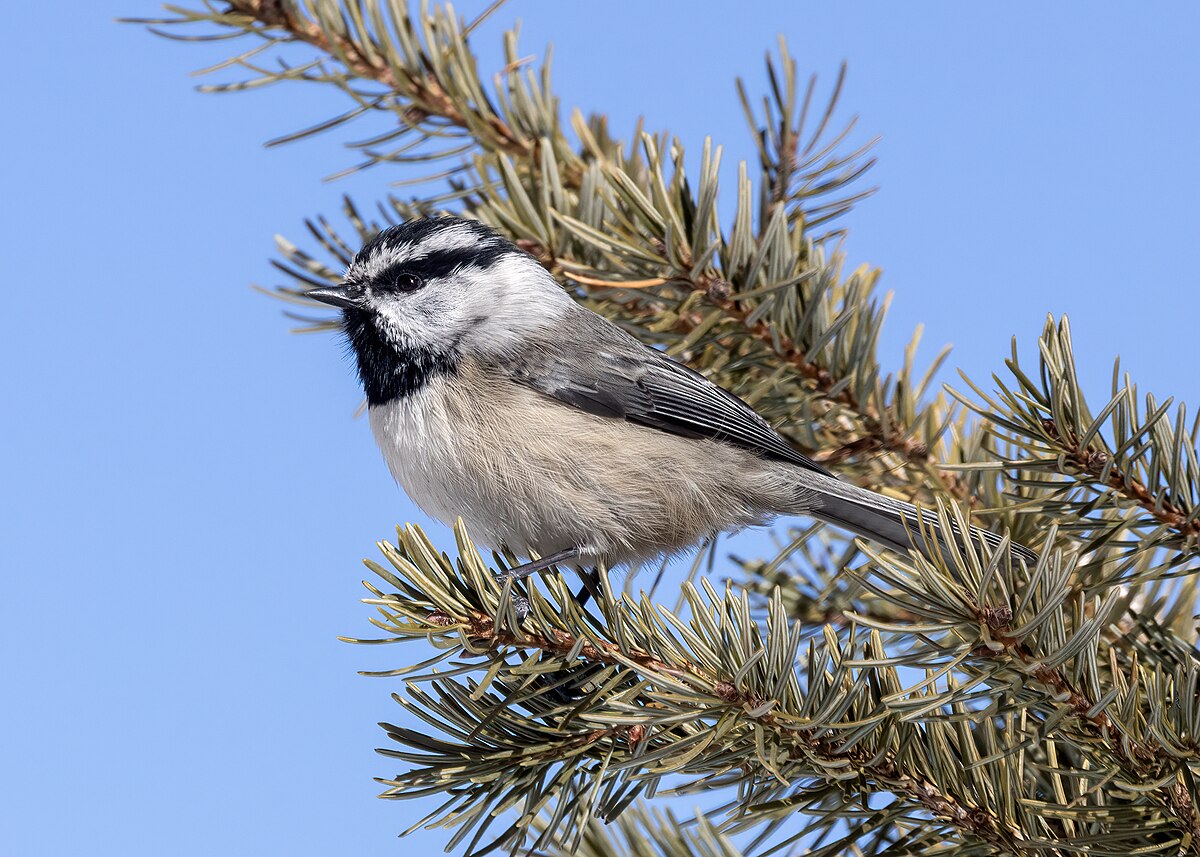
With food sources dwindling, birds become resourceful foragers during winter. Some species alter their diets, relying more on seeds, berries, and insects that are available year-round. Backyard bird feeders like Birdreel Smart Bird Feeders play a crucial role in providing supplemental nutrition, attracting a variety of species, and helping them endure the scarcity of natural food.
- Communal Roosting: Safety in Numbers
In the cold of winter nights, birds often engage in communal roosting, huddling together for warmth. This behavior not only conserves energy but also provides protection against predators. Trees, shrubs, and other sheltered areas become temporary sanctuaries where birds share body heat, enhancing their chances of survival in freezing temperatures.
- Torpor: A Temporary Slumber
In extreme conditions, some birds enter a state of torpor, a temporary and controlled reduction in metabolic rate. This energy-conserving tactic allows them to survive cold nights without expending excessive energy. Hummingbirds, for example, enter a torpid state during winter nights, awakening with renewed energy when temperatures rise.
- Seeking Shelter: Nests and Crevices
Finding adequate shelter is crucial for birds in winter. While many species build nests in tree cavities or dense shrubbery, others seek refuge in urban environments, utilizing buildings and structures to shield themselves from the elements. Understanding these shelter preferences can help bird enthusiasts create bird-friendly spaces in their own backyards.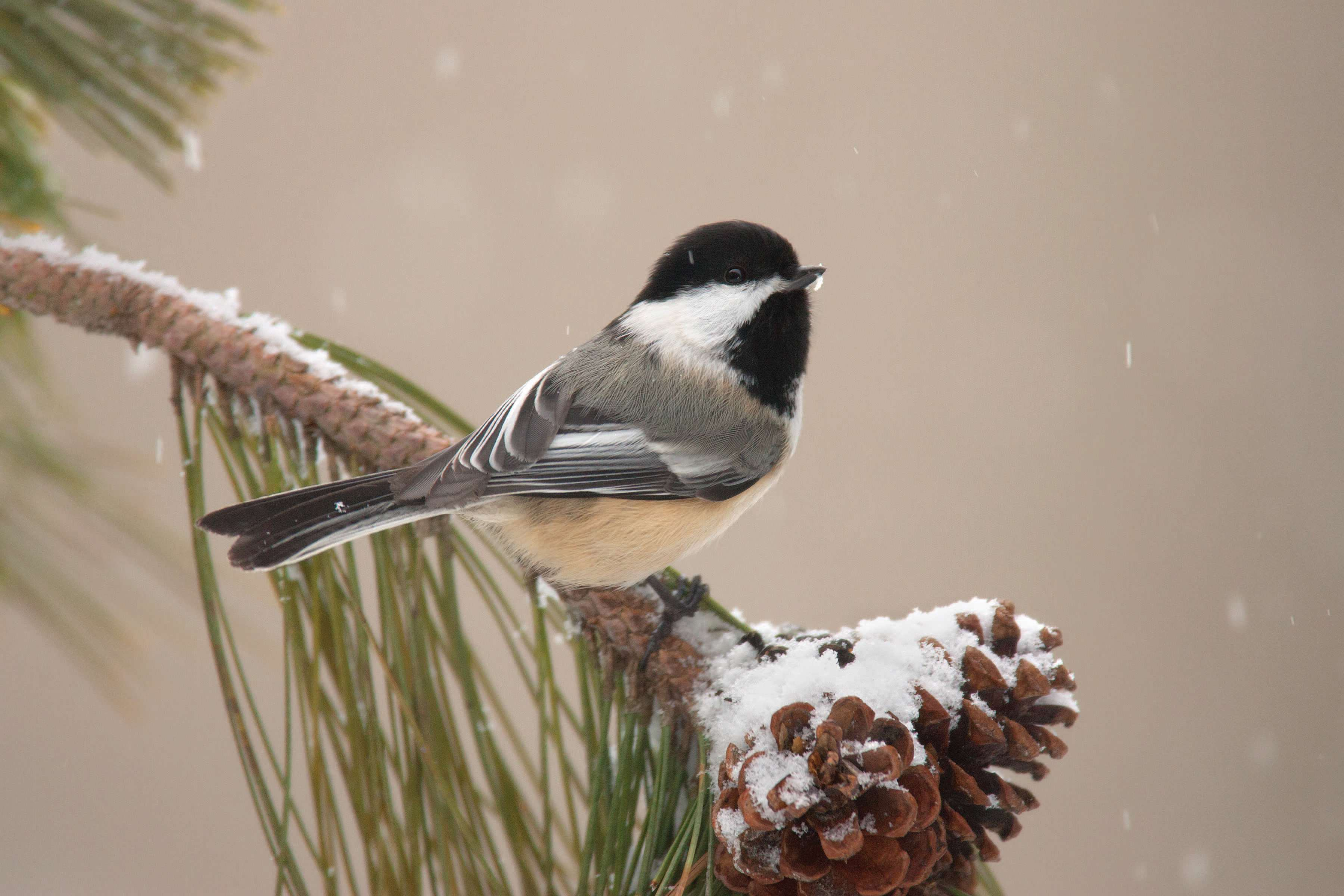
- Ice-Free Water Sources: A Lifeline in the Cold
Access to unfrozen water is crucial for birds in winter. Exploring how birds locate and utilize unfrozen water sources, including Heated bird baths with heaters, highlights the importance of maintaining these water stations for their survival.
- Seasonal Changes in Behavior: Adapting Daily Routines
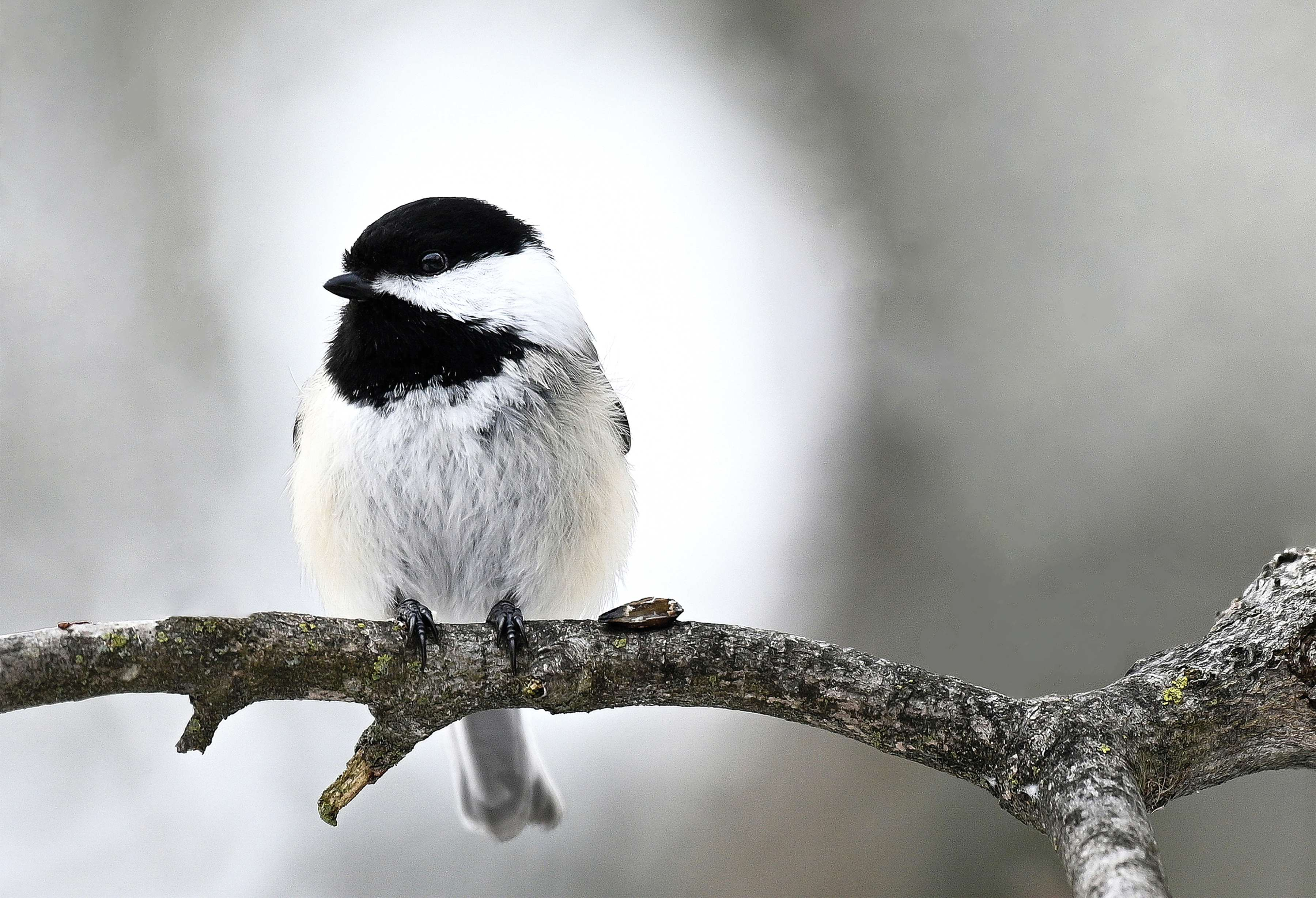
Examining how birds alter their daily routines during winter, such as adjusting feeding times and seeking sunlit spots for warmth, sheds light on their ability to adapt and thrive in changing environmental conditions.
- Cryptic Coloration and Camouflage: Blending into Winter Landscapes
As winter blankets the world in a pristine layer of snow, some birds undergo remarkable transformations in their plumage to seamlessly merge with the winter landscape. Cryptic coloration, a form of camouflage, becomes a crucial survival strategy. Several species, such as the ptarmigan, snow bunting, and arctic hare, change their feathers to a winter white to avoid detection by predators.
- Adaptive Plumage Changes: Birds with seasonal plumage changes molt into a winter coat that mimics the snowy surroundings. This adaptation not only helps them blend in but also provides additional insulation against the cold. The remarkable ability of certain species to switch between different plumage colors showcases the intricacies of their biological adaptations to changing environments.
- Camouflage Techniques: In addition to color changes, birds employ various camouflage techniques. Some species have intricate patterns and markings on their feathers that mimic the dappled sunlight filtering through snow-covered branches, offering them a level of concealment that is essential for avoiding predators.
- Behavioral Camouflage: Birds also utilize behavioral camouflage, such as remaining motionless in the presence of predators. This strategy, coupled with their adapted plumage, allows them to become nearly invisible against the winter backdrop, offering a level of protection in the challenging winter environment.
- Vocal Communication: Staying Connected in the Cold
Winter's harsh conditions can limit visibility, making vocal communication a vital aspect of a bird's survival toolkit. Birds employ an array of calls, songs, and other vocalizations to communicate with their flock members and establish territories, even when visual cues are obscured.
- Social Structures and Mate Attraction: Winter is not just a season of survival but also a time when birds establish and reinforce social structures. Many bird species use vocalizations to attract mates, communicate their presence, and maintain bonds within their flocks. Understanding these winter songs provides valuable insights into avian social dynamics.
- Territorial Calls: Some birds, particularly those that stay in their winter territories, use vocalizations to establish and defend their territories. These calls serve as a clear signal to other birds, helping to avoid unnecessary confrontations and conserve energy during the colder months.
- Migration Coordination: For migratory birds, vocal communication plays a crucial role in coordinating group movements. Distinctive calls are used to signal the start of migration, navigate through the journey, and alert others to potential dangers or food sources along the way.
- Survival Strategies: The ability to communicate effectively during winter ensures the survival of individuals and the success of the species. Birds that maintain cohesive flocks and strong social connections are often more resilient in the face of environmental challenges, such as finding food sources and avoiding predators.
Conclusion:
As winter transforms the world into a frosty wonderland, the survival strategies adopted by birds are nothing short of extraordinary. From migration to physical adaptations, communal roosting, torpor, seeking shelter, managing water sources, and adjusting daily routines, these avian marvels showcase nature's ingenious solutions for thriving in challenging conditions. By understanding and appreciating the ways in which birds brave the winter cold, we can deepen our connection with the natural world and foster a greater appreciation for the resilience of our feathered companions.